
Vietnam has increasingly become one of the most sought-after destinations for travelers from all over the world. With its breathtaking natural landscapes, diverse geography, and rich cultural heritage, the country offers an incredible mix of experiences, ranging from dramatic mountains and lush rice terraces to pristine beaches and centuries-old historical sites.
What makes Vietnam even more fascinating is its variety. You can explore ancient towns, cruise through limestone karsts, relax on tropical islands, or dive into vibrant city life all within a single trip. However, this diversity also comes with one important question: what is the best time to visit Vietnam?
Because Vietnam stretches over 1,600 kilometers from north to south, the weather is not the same everywhere at the same time. While the north may be cool and misty, the south could be sunny and tropical. This makes timing your trip especially important if you want to make the most of your journey.
In this guide, we will help you discover the best time to visit Vietnam by breaking down the weather across different regions. Whether you’re planning a cultural adventure, a beach getaway, or a bit of everything, you will find the perfect time to experience Vietnam at its best.

Vietnam Weather Guide: Best Time to Visit Each Region
Table of content
- 1. The Weather in Vietnam
- 1.1 Northern Vietnam
- 1.2 Central Vietnam
- 1.3 Southern Vietnam
- 2. The Weather in Ha Noi
- 2.1 Overview
- 2.2 Best Time to Visit
- 2.3 What to Expect By Season
- 3. The Weather in Da Nang
- 3.1 Overview
- 3.2 Best Time to Visit
- 3.3 What to Expect By Season
- 4. The Weather in Nha Trang
- 4.1 Overview
- 4.2 Best Time to Visit
- 4.3 What to Expect By Season
- 5. The Weather in Ho Chi Minh and Mekong Delta
- 5.1 Overview
- 5.2 Best Time to Visit
- 5.3 What to Expect By Season
- 6. The Weather in Phu Quoc
- 6.1 Overview
- 6.2 Best Time to Visit
- 6.3 What to Expect By Season
- 7. Conclusion
1. The Weather in Vietnam
Vietnam’s climate is shaped by its long, narrow geography, which creates three distinct weather regions. Each region offers a different travel experience, and understanding these differences will help you decide the best time to visit Vietnam based on your plans.
1.1 Northern Vietnam
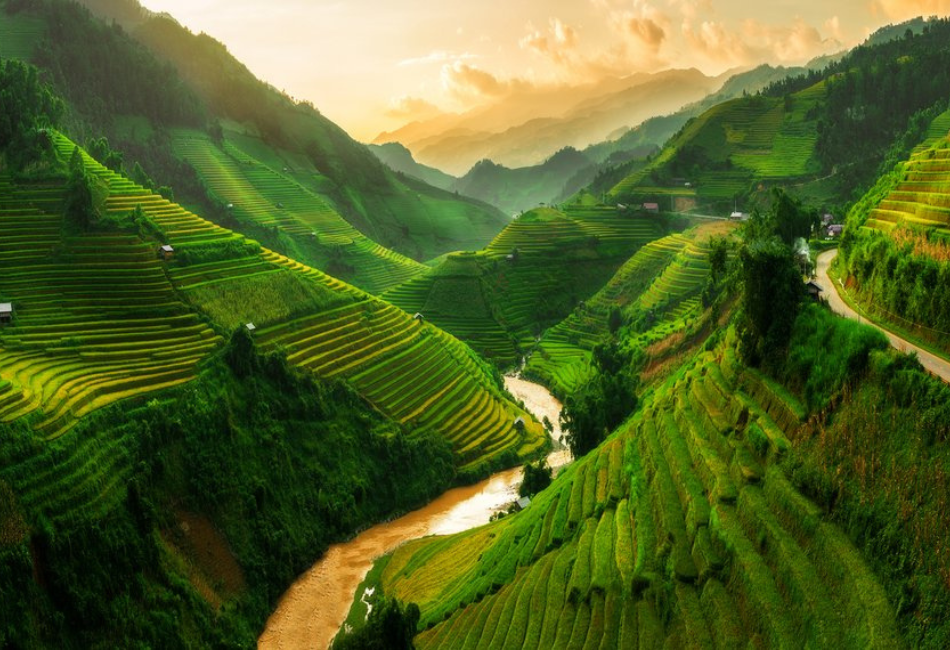
This region experiences 4 distinct seasons, which is quite rare in Southeast Asia. Spring and autumn are generally the most pleasant, with mild temperatures, lower humidity, and clear skies ideal for sightseeing and outdoor exploration. Summers can be hot and humid with occasional heavy rains, while winters are cooler, sometimes even chilly, especially in mountainous areas like Sapa. If you enjoy seasonal variety and scenic landscapes that change throughout the year, northern Vietnam offers a unique experience.
For many travelers, this seasonal variety makes northern Vietnam a great choice when considering the best time to visit Vietnam, especially for those who enjoy cooler weather and cultural exploration.
1.2 Central Vietnam
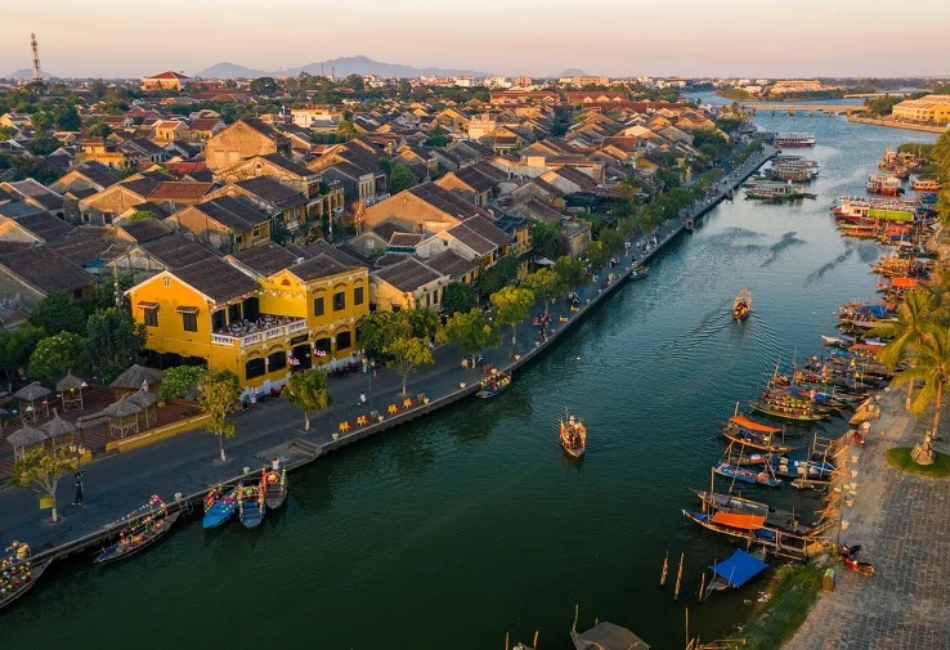
Central Vietnam has a tropical monsoon climate, but its weather pattern can be less predictable than that of the north or south. The dry season, typically from February to August, brings long sunny days and calm seas, making it perfect for beach holidays and coastal activities. However, the rainy season from September onwards can include heavy rainfall and occasional typhoons, especially in areas like Hue and Da Nang. Despite this, places like Nha Trang tend to have a slightly longer dry period, making them more flexible for travel. This is why timing is especially important when planning the best time to visit Vietnam if your itinerary focuses on central coastal destinations.
1.3 Southern Vietnam
The south enjoys a consistently warm tropical climate throughout the year, with temperatures rarely dropping below 25°C. Instead of four seasons, it has a clear distinction between the dry season and the wet season. The dry months, from December to April, are considered the most comfortable for travel, with plenty of sunshine and lower humidity. The wet season, from May to November, brings short but intense afternoon showers, which often pass quickly and leave the landscape lush and vibrant. This region is ideal if you prefer predictable warmth and a more relaxed travel pace. For travelers looking for consistent sunshine, this region often represents the best time to visit Vietnam from a weather stability perspective.
Understanding these regional differences is essential when planning your trip, as weather conditions can significantly impact your overall experience. For many travelers, timing is all about finding a balance between comfortable temperatures, low rainfall, and fewer crowds.
In general, the best time to visit Vietnam is often considered to be between November and April, when much of the country enjoys more stable weather conditions. However, the ideal time can still vary depending on your specific itinerary, whether you plan to explore the north, relax on central beaches, or experience the vibrant lifestyle of the south.
By identifying your travel priorities, you can easily choose the right time that suits your journey.
2. The Weather in Ha Noi
2.1 Overview
Hanoi, located in northern Vietnam, experiences a humid subtropical climate with four distinct seasons, making it one of the few places in Southeast Asia where you can truly experience seasonal changes. As the capital city, it offers a dynamic atmosphere throughout the year, with weather conditions that can vary significantly from one season to another.
Temperatures generally range from 15°C in winter to over 35°C in summer. What makes Hanoi’s climate unique is not just the temperature, but also the shifts in humidity, rainfall, and overall atmosphere. From cool, misty winters to hot, vibrant summers, each season brings a different travel experience, which can greatly influence when you choose to visit.

2.2 Best time to Visit
The best time to visit Hanoi is during Spring (March to April) and Autumn (September to November). During these periods, the weather is mild, humidity is lower, and rainfall is less frequent, creating ideal conditions for sightseeing and outdoor exploration.Autumn, in particular, is often considered the most beautiful season in Hanoi, with cooler temperatures, clearer skies, and a more relaxed pace of life. For many travelers, visiting Hanoi during these months also aligns well with the overall best time to visit Vietnam, especially for those planning to explore multiple regions in one trip.
2.3 What to Expect By Season
Spring (March – April)
Mild temperatures with light drizzle and high humidity. The city feels fresh and lively as trees bloom and streets become more colorful. This is a great time for walking tours and exploring cultural sites without extreme weather.
Summer (May – August)
Hot, humid, and often intense, with temperatures frequently exceeding 35°C. Sudden heavy rain showers are common, usually in the late afternoon. Despite the heat, this season brings vibrant greenery and a more energetic local atmosphere.
Autumn (September – November)
Cool, dry, and widely considered the best season in Hanoi. The air is clearer, temperatures are comfortable, and the city feels more relaxed. It’s ideal for sightseeing, photography, and enjoying outdoor cafés.
Winter (December – February)
Cooler temperatures with occasional fog and damp conditions. While not extremely cold, it can feel chilly due to humidity, especially in the mornings and evenings. This season offers a quieter, more peaceful side of the city.
3. The Weather in Da Nang
3.1 Overview
Da Nang, located in central Vietnam, has a tropical monsoon climate with two main seasons: dry and rainy. The city is known for its beaches, so weather plays a big role in travel planning.
Temperatures remain warm throughout the year, typically ranging from 25°C to 35°C, creating a consistently warm environment ideal for beach travel. However, what makes Da Nang’s weather unique is its seasonal contrast. The city enjoys long periods of sunshine during the dry season, while the rainy season can bring heavy rainfall and occasional storms due to its coastal location. These variations can significantly affect travel experiences, especially for those planning outdoor or beach activities.

3.2 Best time to Visit
The best time to visit Da Nang for beach lovers is between February and August, when rainfall is low, and the sea is calm. During these months, the sea is calm, the skies are clear, and conditions are perfect for beach activities, sightseeing, and day trips to nearby attractions.
This period is also considered the peak travel season, as visitors come to enjoy the most reliable weather. If you are planning a coastal getaway, this timeframe aligns well with the overall best time to visit Vietnam, especially for travelers who prioritize sunshine and seaside experiences.
3.3 What to Expect By Season
Dry Season (February – August)
Hot, sunny weather with clear skies and minimal rainfall. The sea is calm, making it perfect for swimming, snorkeling, and beach activities. This is also peak travel season, so popular spots can be more crowded.
Rainy Season (September – January)
Frequent rainfall, sometimes heavy and prolonged, especially in October and November. The region may experience storms or typhoons, leading to rough seas and limited outdoor activities. Travel plans can be affected, so flexibility is important.
4. The Weather in Nha Trang
4.1 Overview
Nha Trang is located along the south-central coast of Vietnam, facing the East Sea and known for its long sandy beaches and clear blue waters. Compared to other destinations in central Vietnam, Nha Trang enjoys a more stable and favorable climate, with a longer dry season and less extreme weather fluctuations.
The city has a tropical savanna climate, meaning it stays warm throughout the year, with temperatures typically ranging from 25°C to 32°C. While it still experiences both dry and rainy seasons, the transition is less intense than in places like Da Nang or Hue. This makes Nha Trang a more reliable destination for beach travel, especially for those looking for consistent sunshine and calm sea conditions.

4.2 Best time to Visit
The best time to visit Nha Trang is from January to August, when the weather is predominantly sunny, dry, and ideal for outdoor activities. During these months, the sea is calm, visibility is excellent, and conditions are perfect for swimming, snorkeling, and island hopping.
This extended dry period makes Nha Trang one of the most flexible beach destinations in Vietnam. For travelers planning a coastal itinerary, this timeframe also aligns well with the overall best time to visit Vietnam, especially if beach experiences are a priority.
4.3 What to Expect By Season
Dry Season (January – August)
Warm, sunny days with low humidity and very little rain. The sea is usually calm and clear, making it ideal for diving, snorkeling, and island hopping. This is the best time to fully enjoy Nha Trang’s beach lifestyle.
Rainy Season (September – December)
Increased rainfall, with the heaviest showers typically occurring in October and November. While it may not rain all day, conditions can be unpredictable. The sea can become rough, which may affect water-based activities.
5. The Weather in Ho Chi Minh City and Mekong Delta
5.1 Overview
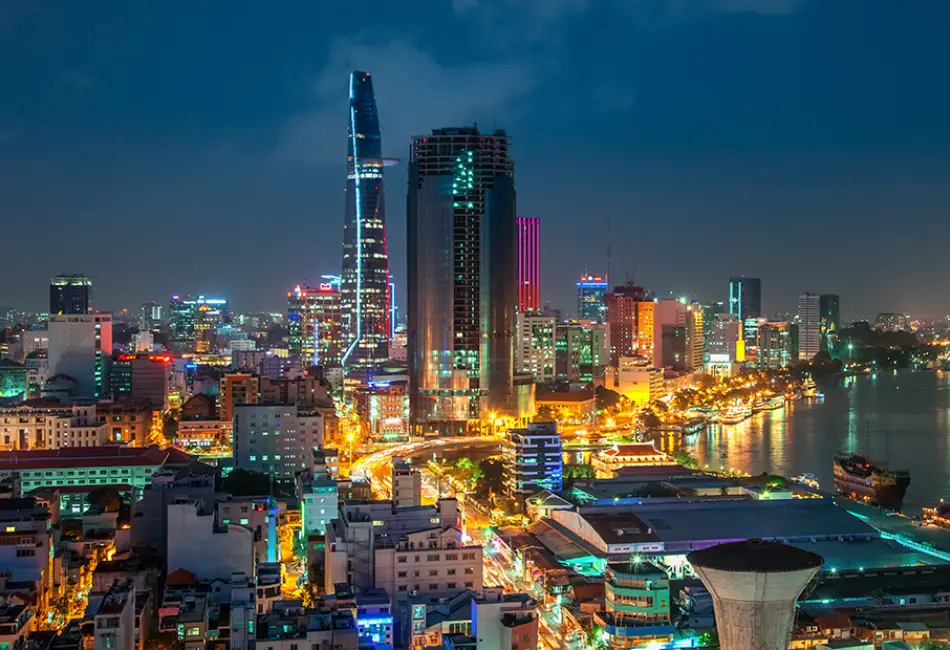
Southern Vietnam, including Ho Chi Minh City and the Mekong Delta, has a tropical climate with consistently warm temperatures throughout the year. Unlike the north, this region does not experience four distinct seasons. Instead, it is characterized by a simple but clear pattern of dry and wet seasons, which shape the overall travel experience.
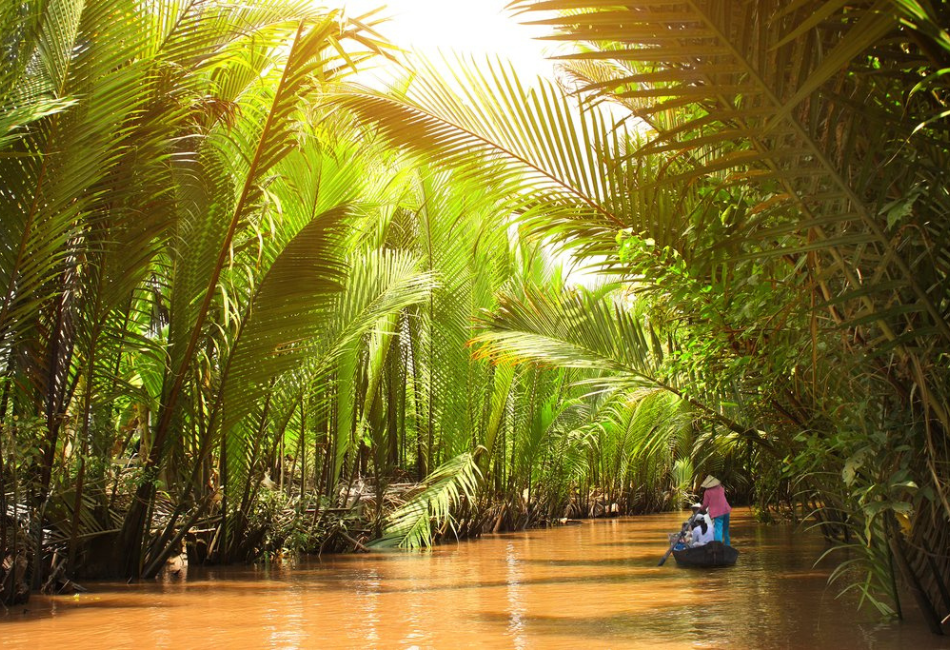
Temperatures typically range from 25°C to 33°C, with relatively little variation across the months. What changes more noticeably is the level of humidity and rainfall. The Mekong Delta, with its vast network of rivers and canals, tends to feel more humid and lush, especially during the rainy season. This combination of stable warmth and seasonal rainfall makes southern Vietnam a flexible destination, depending on yourtravel preferences.
5.2 Best time to Visit
The best time to visit Ho Chi Minh City and the Mekong Delta is during the dry season from December to April. During these months, rainfall is minimal, humidity is lower, and skies are generally clear, making it easier to explore both urban areas and rural landscapes.
This period is often considered the most comfortable time to travel in southern Vietnam, especially if you plan to visit floating markets, take boat tours, or explore the countryside. While the wet season still has its own charm with greener scenery and fewer crowds, the dry season offers more predictable conditions, which is why it aligns closely with the overall best time to visit Vietnam for many travelers.
5.3 What to Expect By Season
Dry Season (December – April)
Hot and sunny with low rainfall and relatively lower humidity. This is the most comfortable time for exploring the city, visiting markets, and taking trips to the Mekong Delta. Skies are usually clear, making travel plans more predictable.
Wet Season (May – November)
Characterized by short but intense afternoon showers. Rain usually doesn’t last long and is often followed by sunshine. The landscape becomes greener and more vibrant, offering a more scenic but slightly less convenient travel experience.
6. The Weather in Phu Quoc
6.1 Overview
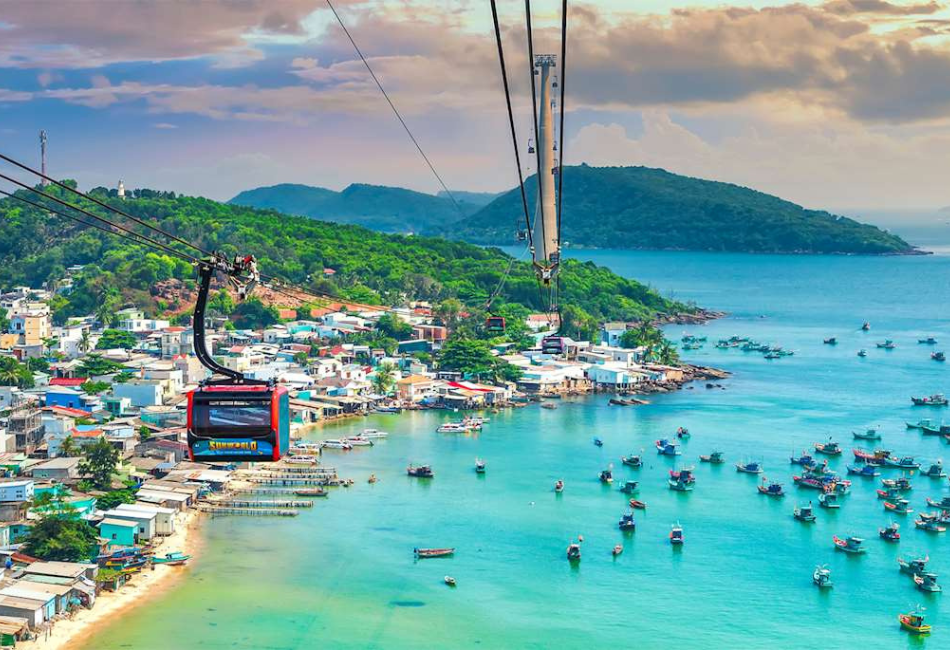
Phu Quoc is located in southern Vietnam, in the Gulf of Thailand, close to the Cambodian border. As part of the southern region, the island has a typical tropical climate, with warm temperatures and high humidity throughout the year.
Unlike northern destinations, Phu Quoc does not experience four distinct seasons. Instead, its weather is shaped by two main periods: the dry season and the rainy season. Temperatures usually range between 25°C and 32°C, creating a consistently warm and beach-friendly environment.
However, weather conditions can vary depending on the season, particularly in terms of rainfall, humidity, and sea conditions. These factors can influence outdoor activities such as snorkeling, island hopping, and boat tours, making timing an important consideration when planning your trip.
6.2 Best time to Visit
The best time to visit Phu Quoc is during the dry season from November to April, when the island enjoys sunny skies, low rainfall, and calm seas. These conditions are ideal for beach relaxation, water activities, and exploring nearby islets.
This period is also considered the peak tourist season, as travelers come to enjoy the most reliable weather. If you are planning a beach-focused trip, this time frame aligns well with the overall best time to visit Vietnam, especially for those prioritizing sunshine and outdoor experiences.
For a more seamless experience, many travelers choose to book guided tours to explore Phu Quoc Island Tours, combining transportation, activities, and local insights.
6.3 What to Expect By Season
Dry Season (November – April)
Sunny, dry weather with blue skies and calm seas. Conditions are perfect for beach relaxation, swimming, and island activities. This is the peak season, so expect higher prices and more tourists.
Rainy Season (May – October)
Frequent heavy rain, high humidity, and rougher sea conditions. Some days may be overcast, and certain tours or boat trips can be limited. However, the island becomes lush and quieter, which may appeal to travelers seeking fewer crowds.
7. Conclusion
So, what is the best time to visit Vietnam? The most balanced answer is between November and April, when you can enjoy favorable weather across most regions of the country.
However, Vietnam is a year-round destination, and the ideal time depends on your travel style and preferred experiences. If you want cool weather and cultural exploration, head north in autumn or spring. If beaches are your priority, central and southern Vietnam offer long sunny seasons.
By understanding regional differences and seasonal patterns, you can plan a trip that matches your expectations perfectly. No matter when you go, Vietnam’s rich culture, stunning landscapes, and vibrant cities will always leave a lasting impression.
If you’re ready to explore new places and experience Vietnam at its best, consider booking through reputable local travel agencies for a smooth and hassle-free trip. You can also explore options like a Nha Trang Vietnam tour, Da Nang, or reach out via WhatsApp at +84 705 243 243 for more details.



Comment (0)