
Ha Noi, the capital city of Vietnam, is a fascinating destination where ancient traditions blend seamlessly with modern energy. From historic temples and colonial architecture to vibrant street markets and local cafés, the city offers travelers an unforgettable cultural experience. Whether you are visiting for a weekend or planning a longer trip through northern Vietnam, there are countless things to do in Ha Noi that cater to every type of traveler.
Unlike many fast-paced Asian capitals, Ha Noi has a unique charm rooted in its rich history, traditional lifestyle, and strong cultural identity. The city is known for its narrow streets, buzzing motorbikes, delicious cuisine, and beautiful lakes that create a balance between chaos and calm.
Beyond its famous attractions, Ha Noi is also a destination that allows visitors to experience everyday Vietnamese life through local markets, traditional food stalls, and friendly neighborhood cafés. Every district offers something different, from peaceful cultural sites to energetic nightlife areas filled with music and street food.
This guide covers the best attractions, food experiences, transportation tips, and must-try activities to help you discover the top things to do in Ha Noi while making the most of your trip.
From peaceful lakes and ancient temples to lively night markets and hidden cafés, every corner of Ha Noi tells a different story waiting to be discovered.
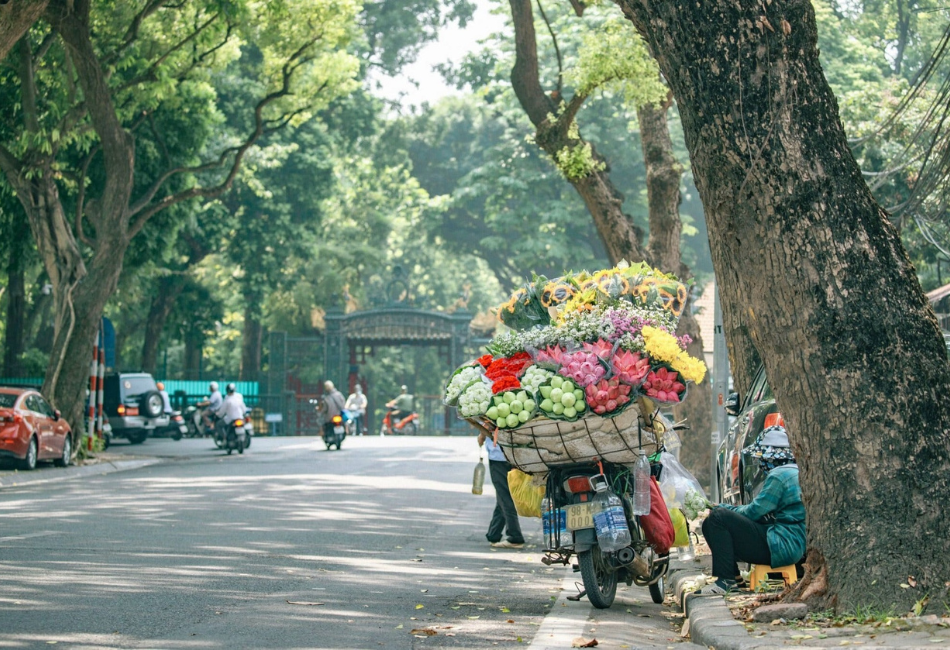
Discover Ha Noi: Culture, Food, and Hidden Gems
Table of content
- 1. Where is Ha Noi Vietnam?
- 2. Best time to Visit ha Noi
- 2.1 Spring (March – April)
- 2.2 Autumn (September – November)
- 2.3 Summer in Ha Noi (May – August)
- 2.4 Winter in Ha Noi (December – February)
- 3. Must-See Attractions in Ha Noi Vietnam
- 3.1 Hoan Kiem Lake
- 3.2 Ho Chi Minh Mausoleum
- 3.3 Temple of Literature
- 3.4 Hanoi Old Quarter
- 3.5 Train Street
- 4. Best Things to Do in Ha Noi
- 4.1 Explore the Old Quarter on Foot
- 4.2 Try Authentic Ha Noi Street Food
- 4.3 Watch a Traditional Water Puppet Show
- 4.4 Visit Museums and Historical Sites
- 4.5 Enjoy Ha Noi’s Café Culture
- 4.6 Shop at Night Markets
- 4.7 Take a Day Trip from Ha Noi
- 5. How to Get Around Ha Noi
- 6. Where to Stay in Ha Noi
- 7. Travel Tips for Ha Noi
- 8. Conclusion
1. Where is Ha Noi Vietnam?
Ha Noi is located in northern Vietnam along the Red River Delta region. As the capital and second-largest city in the country, Ha Noi serves as an important political, cultural, and historical center.
The city is approximately 1,700 kilometers north of Ho Chi Minh City and around 760 kilometers from Da Nang. Thanks to its central role in transportation, travelers can easily reach Ha Noi by domestic flights, trains, or long-distance buses.
Many visitors also use Ha Noi as a gateway to famous destinations in northern Vietnam, such as Ha Long Bay, Ninh Binh, and Sapa. Because of its convenient location and rich cultural atmosphere, exploring the city itself becomes one of the essential things to do in Ha Noi for international tourists.
In addition to its strategic location, Ha Noi is also known for its long history that dates back more than a thousand years. The city preserves many ancient temples, colonial buildings, and traditional neighborhoods that reflect different periods of Vietnamese history.
Despite being a rapidly developing modern capital, Ha Noi still maintains its traditional charm and local identity. Visitors can easily notice the contrast between old architecture, busy street markets, peaceful lakes, and modern skyscrapers throughout the city.

2. Best Time to Visit Ha Noi
The city’s changing weather throughout the year creates unique atmospheres, from blooming spring flowers to cool autumn breezes and cozy winter mornings.
Choosing the right season depends on the type of activities and experiences you are looking for during your trip. While spring and autumn are often considered the most comfortable times to visit, summer and winter also offer their own cultural charm and seasonal highlights.
2.1 Spring (March – April)
Spring is considered one of the most beautiful seasons in Ha Noi. The weather becomes mild and pleasant, with temperatures ranging from 18°C to 25°C. Flowers begin blooming throughout the city, and the air feels fresh after winter. This is an ideal time for outdoor sightseeing and walking around the Old Quarter. Many tourists choose spring because the comfortable climate makes popular things to do in Ha Noi more enjoyable, especially visiting lakes, temples, and local markets.
2.2 Autumn (September – November)
Autumn is another favorite season among travelers. The weather is cool, dry, and less humid compared to summer. Tree-lined streets become especially picturesque, creating a romantic atmosphere throughout the city.
During autumn, visitors can comfortably explore attractions like Hoan Kiem Lake and enjoy Ha Noi’s famous street food without dealing with extreme heat.
2.3 Summer in Ha Noi (May – August)
Summer in Ha Noi can be hot and humid, with occasional heavy rain showers. Temperatures often exceed 35°C during the daytime.
Despite the weather, summer remains a lively season filled with local energy. Travelers can escape the heat by exploring museums, relaxing in air-conditioned cafés, or enjoying evening food tours. Nighttime activities become some of the best things to do in Ha Noi during summer because the streets become cooler and more vibrant after sunset.
2.4 Winter in Ha Noi (December – February)
Winter brings cooler temperatures, especially during early mornings and evenings. Unlike southern Vietnam, Ha Noi can feel surprisingly chilly, with temperatures occasionally dropping below 10°C.
Winter also creates a cozy atmosphere that pairs perfectly with hot bowls of pho and egg coffee. Seasonal foods and festive decorations around the city add a special charm for visitors traveling during this time.
3. Must-See Attractions in Ha Noi Vietnam
3.1 Hoan Kiem Lake
Located in the heart of the city, Hoan Kiem Lake is one of the most iconic landmarks in Ha Noi. The peaceful lake offers a refreshing escape from heavy traffic and urban noise.
Visitors often walk around the lake early in the morning to observe locals practicing tai chi or exercising. In the evening, the area becomes lively with street performances and weekend activities. Visiting this scenic location is undoubtedly one of the classic things to do in Ha Noi for both locals and tourists.
Nearby attractions such as Ngoc Son Temple and the famous red bridge also add cultural charm to the area. The lake becomes especially beautiful at sunset when city lights begin reflecting on the water.

3.2 Ho Chi Minh Mausolem
The Ho Chi Minh Mausoleum is one of Vietnam’s most historically important sites. It serves as the resting place of President Ho Chi Minh, who played a major role in the country’s independence movement.
The surrounding complex includes gardens, museums, and traditional Vietnamese architecture. Visitors are expected to dress respectfully and follow strict rules inside the mausoleum.
Many travelers combine their visit with nearby attractions such as the One Pillar Pagoda and the Ho Chi Minh Museum. The large open square in front of the mausoleum also creates an impressive atmosphere for photography and sightseeing.

3.3 Temple of Literature
Built in 1070, the Temple of Literature was Vietnam’s first national university. The beautifully preserved courtyards, ancient stone tablets, and traditional architecture make it one of the city’s most culturally significant attractions.
This destination provides a deeper understanding of Vietnam’s educational history and Confucian traditions.
The quiet gardens and lotus ponds create a peaceful environment that contrasts with the busy streets outside. It is also a popular location for students taking graduation photos because of its symbolic connection to learning and success.

3.4 Hanoi Old Quarter
The Hanoi Old Quarter is the soul of the city. Its maze-like streets are filled with shops, street vendors, cafés, and local businesses that reflect centuries of history.
Each street traditionally specialized in selling specific goods, creating a unique commercial culture that still exists today. Exploring this area is one of the top things to do in Ha Noi because it allows travelers to experience authentic daily life.
The neighborhood is also one of the best places to try local street food and discover hidden coffee shops. At night, the area becomes even more energetic with markets, music, and crowds of visitors.

3.5 Train Street
Train Street has become one of Ha Noi’s most famous photography spots. Narrow residential tracks run directly through local neighborhoods, with cafés positioned just inches away from passing trains.
Although train schedules can change, many visitors come here to enjoy coffee while watching trains move through the tight corridor. The experience feels uniquely local and memorable.
Besides taking photos, travelers often enjoy the lively café atmosphere and conversations with local residents. The contrast between daily life and the passing trains makes this attraction unlike anywhere else in Vietnam.

4. Best Things to Do in Ha Noi
4.1 Explore the Old Quarter on Foot
Walking through the Old Quarter offers travelers a chance to absorb the city’s atmosphere fully. Hidden alleys, local shops, traditional houses, and street food stalls create an exciting urban adventure.
Instead of rushing between attractions, slow exploration allows visitors to discover unexpected details that make Ha Noi special. For many tourists, wandering through these historic streets becomes one of the most rewarding things to do in Ha Noi.

4.2 Try Authentic Ha Noi Street Food
Ha Noi is widely recognized as one of Asia’s top food destinations. Street food is deeply connected to the city’s identity, and trying local dishes is essential for understanding Vietnamese culture.
Popular dishes include pho, bun cha, banh mi, and cha ca. Travelers should also try egg coffee, a unique Ha Noi specialty made with whipped egg yolk and Vietnamese coffee.Food tours are among the most popular things to do in Ha Noi because they combine local flavors with cultural storytelling.

4.3 Watch a Traditional Water Puppet Show
Water puppetry originated in northern Vietnam centuries ago and remains an important cultural tradition today. During performances, wooden puppets move across water while musicians play traditional instruments and singers narrate folk stories.
Watching a water puppet show offers insight into Vietnamese folklore, rural life, and artistic heritage.
4.4 Visit Museums and Historical Sites
Ha Noi is filled with museums that showcase the country’s history, art, and culture. Popular choices include the Vietnam Museum of Ethnology and the Hoa Lo Prison Museum.
These attractions provide meaningful context about Vietnam’s past while helping visitors better understand modern Vietnamese society.

4.5 Enjoy Ha Noi’s Café Culture
Coffee culture in Ha Noi is completely different from many Western countries. Rather than quick take-away drinks, cafés in Ha Noi encourage slow conversations and relaxation.
From hidden alley cafés to rooftop spaces overlooking the city, there are endless places to enjoy Vietnamese coffee. Spending an afternoon café-hopping is one of the more relaxing things to do in Ha Noi, especially after long sightseeing days.
4.6 Shop at Night Markets
Night markets in Ha Noi offer clothing, souvenirs, handicrafts, accessories, and local snacks. The weekend night market in the Old Quarter becomes especially crowded with both locals and tourists.
Shopping here also gives travelers opportunities to practice bargaining while experiencing the city’s energetic nightlife atmosphere.
4.7 Take a Day Trip from Ha Noi
If you have extra time in northern Vietnam, several destinations near Ha Noi are worth visiting for a short escape from the city.
- Ninh Binh – Known for its peaceful countryside, limestone mountains, and scenic boat rides through caves and rivers. Visitors can also explore ancient temples and enjoy panoramic views from mountain viewpoints.
- Ha Long Bay – One of Vietnam’s most iconic destinations, featuring thousands of limestone islands rising from emerald waters. Cruises around the bay often include kayaking, cave exploration, seafood meals, and sunset views.
- Sapa – Located in the northern mountains, Sapa is famous for its cool climate, rice terraces, and ethnic minority villages. It is especially popular among travelers who enjoy trekking and nature photography.
- Perfume Pagoda – A spiritual and cultural site surrounded by limestone hills and rivers.
These destinations offer a completely different atmosphere from the busy streets of Ha Noi and allow travelers to discover more of northern Vietnam beyond the capital city.
These tours can be arranged through reputable local travel agencies, or you can explore similar Vietnam travel packages, including Ninh Binh, Ha Long Bay, or Sapa, for a more convenient and well-organized experience. For additional information or tour assistance, travelers can also contact local operators via WhatsApp at +84 705 243 243
5. How to Get Around Ha Noi
Transportation in Ha Noi may initially seem overwhelming because of heavy traffic and large numbers of motorbikes. However, getting around the city is actually quite convenient.
Ride-hailing applications such as Grab are commonly used by both locals and tourists. They provide affordable transportation while avoiding language barriers.
Walking is ideal in areas like the Old Quarter and around Hoan Kiem Lake. Many attractions are located close together, allowing visitors to explore at a comfortable pace.
For adventurous travelers, renting a motorbike offers flexibility and excitement. However, traffic conditions can be challenging for inexperienced drivers.
Public buses are also available and extremely affordable, though they may feel confusing for first-time visitors.
Understanding local transportation options helps travelers maximize their time and experience more things to do in Ha Noi efficiently.
6. Where to Stay in Ha Noi
Choosing the right neighborhood can significantly improve your travel experience in Ha Noi.
The Old Quarter is the most popular area for first-time visitors because it provides easy access to restaurants, nightlife, markets, and historical attractions. Staying here places travelers close to many famous things to do in Ha Noi without requiring long commutes.
The Hoan Kiem area offers a slightly quieter atmosphere while still remaining central. Many boutique hotels and upscale accommodations are located nearby.
For travelers seeking a more modern and peaceful environment, the West Lake district provides lakeside cafés, international restaurants, and luxury hotels.
Budget travelers can easily find affordable hostels throughout the city, while luxury visitors have access to internationally recognized hotels and stylish boutique accommodations.
7. Travel Tips for Ha Noi
Before visiting Ha Noi, travelers should prepare for the city’s unique pace and culture.
Crossing the street can initially feel intimidating because motorbikes move continuously through traffic. The key is to walk slowly and predictably rather than suddenly stopping.
Cash remains useful in many local restaurants and markets, although credit cards are increasingly accepted in hotels and larger businesses.
Travelers should also dress modestly when visiting temples and religious sites. Respectful behavior is appreciated in cultural and historical locations.
Learning a few Vietnamese phrases can enhance interactions with locals. Even simple greetings often create positive experiences.
Finally, visitors should remain aware of their belongings in crowded tourist areas, especially around markets and busy streets.
Following these practical suggestions allows travelers to enjoy more things to do in Ha Noi comfortably and confidently.
8. Conclusion
Ha Noi is a city filled with contrasts, where ancient traditions coexist alongside modern urban life. From historic temples and peaceful lakes to energetic night markets and incredible street food, the Vietnamese capital offers experiences that are both exciting and culturally meaningful.
Whether you are exploring the Old Quarter, tasting authentic local dishes, relaxing in hidden cafés, or taking day trips to nearby natural wonders, there is no shortage of unforgettable things to do in Ha Noi.
For travelers seeking culture, history, food, and authentic local experiences, Ha Noi remains one of Southeast Asia’s most rewarding destinations.


Comment (0)