
Is Hanoi worth visiting? You could search for answers, but the city has its own way of responding the moment you step into it.
In Hanoi, the first thing you notice is the atmosphere. The streets are alive from early morning, filled with the sound of motorbikes, street vendors calling out, and the quiet rhythm of daily life unfolding on the sidewalks. Small plastic stools line the roadsides, where locals gather over hot bowls of pho, while the scent of grilled food drifts through the air.
Walk a little further, and the city begins to change. You’ll pass old yellow buildings with weathered walls, hidden cafés tucked behind narrow alleys, and peaceful lakes that reflect a completely different side of Hanoi. The contrast between chaos and calm exists everywhere, creating a sense of balance that feels both raw and authentic.
Rather than being polished or overly touristy, Hanoi feels real. It’s a place where everyday life becomes part of your travel experience, and that’s exactly what makes it so memorable.
And once you experience it for yourself, you may realize that the question is no longer whether Hanoi is worth visiting, but why you didn’t come sooner.

Discover Ha Noi: What to Expect in 2026
Table of content
- 1. Where is Ha Noi?
- 2. The History of Ha Noi Vietnam
- 3. The Weather & Best Time to Visit Ha Noi
- 3.1 Spring in Hanoi (March – April)
- 3.2 Summer in Hanoi (May – August)
- 3.3 Autumn in Hanoi (September – November)
- 3.4 Winter in Hanoi (December – February)
- 4. Best Places to Visit in Hanoi
- 4.1 Hoan Kiem Lake
- 4.2 Old Quarter Ha Noi
- 4.3 Ho Chi Minh Mausoleum
- 4.4 Temple of Literature
- 4.5 One Pillar Pagoda
- 5. What to eat in Ha Noi Vietnam
- 5.1 Phở
- 5.2 Bánh Mì
- 5.3 Bún Đậu Mắm Tôm
- 6. How to Get to Ha Noi
- 6.1 By Air
- 6.2 By Train
- 6.3 By Bus
- 7. Travel Tips for Visiting Ha Noi
- 8. Conclusion
1. Where is Ha Noi?
Hanoi is located in Northern Vietnam, sitting along the fertile Red River Delta. As the capital city, it plays a central role in the country’s political, cultural, and historical landscape.
Positioned roughly 1,700 kilometers north of Ho Chi Minh City, Hanoi feels noticeably different in atmosphere and pace. The surrounding region is flatter and greener, with rivers, rice fields, and small villages stretching beyond the urban core. This geographical setting gives the city a softer, more grounded feel compared to many fast-developing capitals in Asia.
Hanoi also serves as a natural gateway to some of northern Vietnam’s most iconic destinations. Within a few hours, you can travel from the city to the dramatic limestone seascapes of Ha Long Bay or head toward the misty mountains of Sapa. Because of this, many travelers use Hanoi not just as a destination, but as a starting point for a wider journey.
Despite its role as a major city, Hanoi still feels closely connected to its surroundings. You’re never too far from a quiet lake, a tree-lined street, or a glimpse of everyday life unfolding at a slower pace.

2. The History of Ha Noi Vietnam
The history of Ha Noi dates back over 1,000 years, making it one of the oldest capitals in the world. Originally named Thang Long, meaning “Rising Dragon,” the city has witnessed the rise and fall of various dynasties, colonial periods, and modern transformations.
One of the most significant landmarks reflecting this rich past is the Imperial Citadel of Thang Long, a UNESCO World Heritage Site that showcases the city’s ancient roots. Over the centuries, Ha Noi has also been influenced by Chinese and French cultures, which can still be seen in its architecture and urban layout.
During the French colonial era, Ha Noi became an administrative center, leaving behind elegant boulevards and colonial buildings. Later, the city played a crucial role in Vietnam’s struggle for independence, making Ha Noi not only historically rich but also deeply symbolic.

3. The Weather & Best time to Visit Ha Noi
Hanoi experiences four distinct seasons, each bringing a different mood to the city. Rather than drastically affecting your trip, the weather shapes how you experience Hanoi, ranging from the pace of the streets to the atmosphere around its lakes and old neighborhoods.
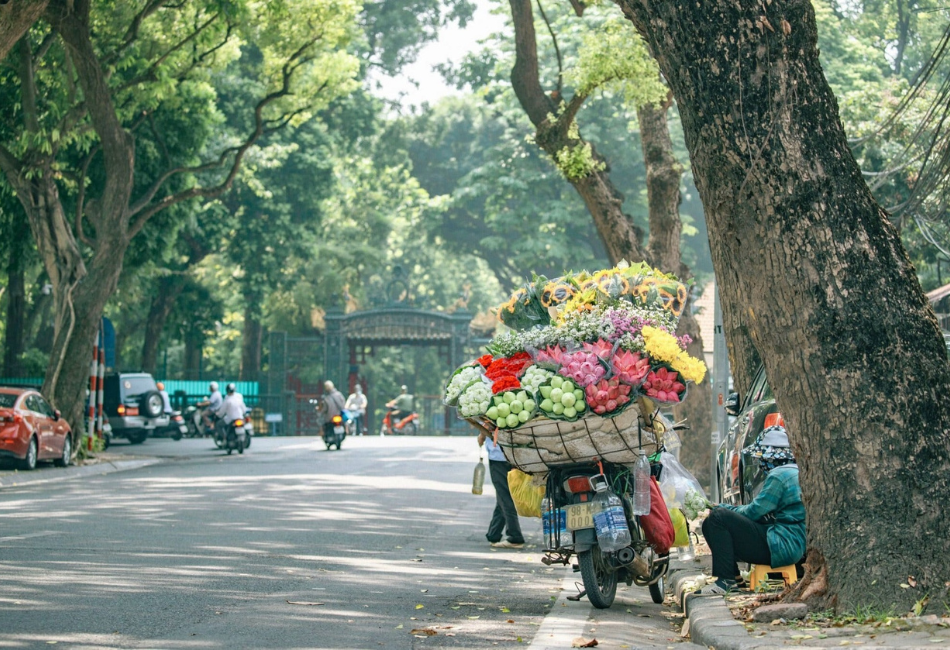
3.1 Spring in Hanoi (March – April)
Spring in Hanoi brings mild temperatures, usually between 20°C and 26°C, along with light drizzle and gentle humidity. The city often feels slightly misty, especially in the early morning.
While not the sunniest season, it has a calm and relaxed atmosphere, making it a comfortable time to explore if you don’t mind a bit of damp weather.
3.2 Summer in Hanoi (May – August)
Summer in Hanoi is intense. The heat is strong, the humidity is high, and the air can feel heavy, especially in the middle of the day.
But this is also when the city feels the most energetic. Street life becomes more vibrant in the early morning and late evening, when locals gather outside to eat, talk, and escape the heat. If you don’t mind the weather, summer offers a raw and lively side of Hanoi that many travelers remember.
3.3 Autumn in Hanoi (September – November)
Autumn is often considered the best time to visit Hanoi. The air becomes cooler, the humidity drops, and the city feels noticeably more comfortable.
This is when Hanoi is at its most photogenic. Golden sunlight filters through tree-lined streets, and the overall atmosphere feels calm and balanced. Walking around the Old Quarter or near the lakes during this time is especially enjoyable.
3.3 Winter in Hanoi (December – February)
Winter in Hanoi is cooler than many travelers expect. Temperatures can drop significantly, and the city often feels grey and quiet.
While it may not be ideal for those seeking sunshine, winter offers a different perspective. The slower pace, combined with the chilly air, creates a more reflective and peaceful atmosphere — a contrast to the city’s usual energy.
Overall, the best time to visit Ha Noi is during autumn, from September to November, when the weather is cooler, drier, and more comfortable for exploring. Spring, from March to April, is also a good option if you don’t mind a bit of humidity and light rain.
That said, Hanoi can be visited year-round, as each season offers a different perspective on the city. Whether it’s the vibrant energy of summer or the quiet charm of winter, your experience in Hanoi will depend more on how you explore it than when you go.
4. Best Places to Visit in Ha Noi
When exploring Ha Noi, you will quickly realize that the city is not about ticking off famous landmarks, but about experiencing the atmosphere each place creates. From peaceful lakes to historic monuments, every corner reflects a different layer of the city’s identity.
4.1 Hoan Kiem Lake
Located in the heart of Ha Noi, Hoan Kiem Lake is often the first place travelers encounter, and for good reason. It acts as a central meeting point where the city’s energy softens into something more relaxed. Early in the morning, locals gather here to exercise, practice tai chi, or simply enjoy the fresh air. By evening, the area transforms into a lively pedestrian space filled with street performances and families spending time together.
At the center of the lake stands the iconic Turtle Tower, adding a touch of legend and mystery. Nearby, you can visit Ngoc Son Temple, which sits on a small island connected by a striking red bridge. The entire area perfectly captures the balance between calm and movement that defines Ha Noi.

4.2 Old Quarter Ha Noi
The Old Quarter is where the soul of Ha Noi truly comes alive. This historic area is made up of narrow streets, each traditionally dedicated to a specific trade. As you walk through, you will notice how the streets shift from selling textiles to street food to handcrafted goods within just a few steps.
What makes the Old Quarter special is not just its history but its rhythm. Motorbikes weave through tight spaces, vendors call out to passersby, and cafés spill onto sidewalks. Hidden within this chaos are quiet corners, including small temples, vintage shops, and cozy cafés that offer moments of calm. Spending time here allows you to see Ha Noi not as a tourist destination but as a living, breathing city.
4.3 Ho Chi Minh Mausoleum
For those interested in history, the Ho Chi Minh Mausoleum is one of the most significant landmarks in Ha Noi. This is where visitors can pay their respects to Ho Chi Minh, a key figure in Vietnam’s modern history.
The surrounding area, known as Ba Dinh Square, is equally important. It’s where major national events have taken place, including the Declaration of Independence. The atmosphere here is more formal and quiet compared to the bustling streets elsewhere, offering a deeper understanding of the country’s past and its connection to Ha Noi.

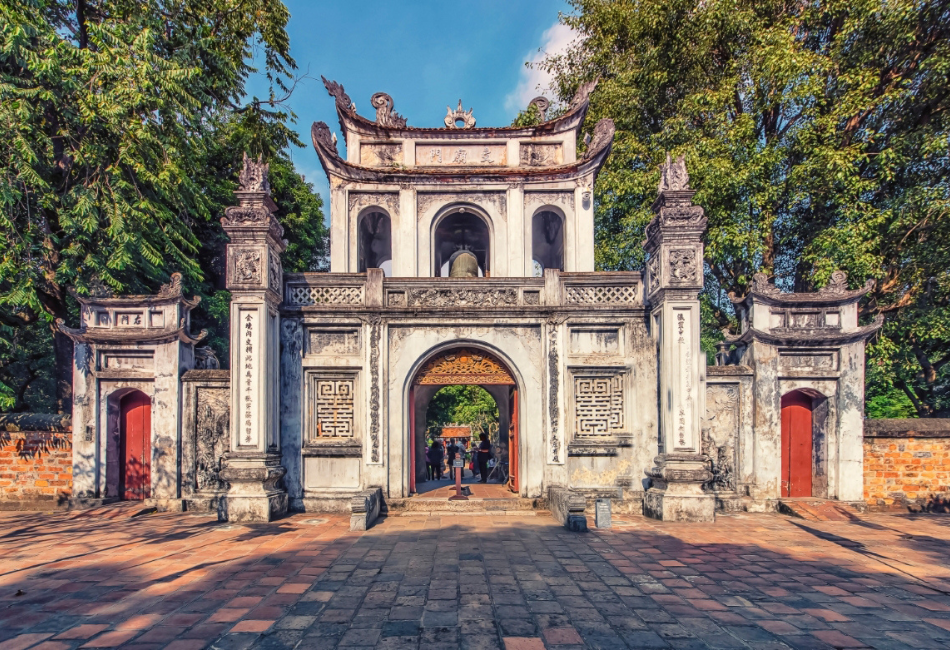
4.4 Temple of Literature
The Temple of Literature provides a completely different perspective of Ha Noi. Built in 1070, it is Vietnam’s first university and a symbol of the country’s long-standing respect for education.
Walking through its courtyards feels like stepping away from the noise of the city. Stone pathways, ancient trees, and traditional architecture create a peaceful environment that contrasts sharply with the busy streets outside. It’s a place where history feels preserved, offering insight into the intellectual and cultural roots of Ha Noi.
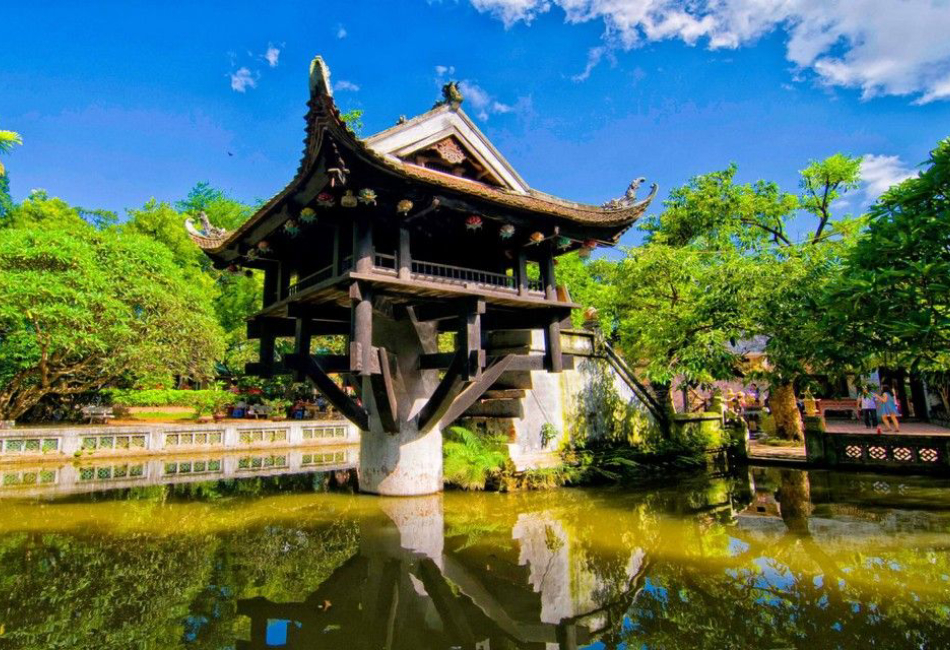
4.5 One Pillar Pagoda
The One Pillar Pagoda is one of the most unique structures in Ha Noi. Built to resemble a lotus flower rising from the water, the pagoda stands on a single stone pillar, symbolizing purity and resilience.
Though small in size, its design and meaning make it a memorable stop. It is often visited together with the Ho Chi Minh complex, making it an easy addition to your itinerary when exploring this part of Ha Noi.
If you prefer a more convenient experience, joining a guided Ha Noi Tour is also a great way to explore Ha Noi, especially if it’s your first time visiting.
5. What to Eat in Hanoi Vietnam
Food is an essential part of experiencing Ha Noi, and in many ways, it defines the city just as much as its landmarks. The best meals are often found not in restaurants, but on the sidewalks, where small stalls serve dishes perfected over generations.

5.1 Phở
Pho is the most iconic dish in Ha Noi, often enjoyed early in the morning. The broth is light yet rich in flavor, simmered for hours to achieve its depth. Combined with soft rice noodles and tender slices of meat, it offers a comforting and balanced taste that reflects the subtle style of northern cuisine.
5.2 Bánh Mì
Banh Mi is a popular street food that showcases the fusion of Vietnamese and French influences. Crispy on the outside and soft on the inside, the bread is filled with a variety of ingredients, offering a mix of savory, fresh, and slightly tangy flavors. It’s a convenient and satisfying option for a quick meal while exploring Ha Noi.
5.3 Bún Đậu Mắm Tôm
Bun Dau Mam Tom is one of the most distinctive dishes in Ha Noi, known for its bold and unforgettable flavor. It typically includes rice noodles, fried tofu, herbs, and various pork elements, all served with fermented shrimp paste as the main dipping sauce. While the strong aroma may be challenging at first, the combination of textures and flavors creates a surprisingly rich and authentic experience. For many travelers, trying this dish is a true test of embracing local culture in Ha Noi.
6. How to Get to Ha Noi
Getting to Ha Noi is relatively convenient, as the city is one of the main transportation hubs in Vietnam. Whether you are traveling from abroad or within the country, there are several options to suit different budgets and travel styles.
6.1 By Air
The fastest and most common way to reach Ha Noi is by flying into Noi Bai International Airport. Located about 30 kilometers from the city center, the airport connects Ha Noi with many major cities across Asia and beyond. From there, you can take a taxi, ride-hailing service, or airport shuttle bus, with the journey typically taking around 30 to 45 minutes, depending on traffic.
6.2 By Train
Traveling by train is a great option if you want to experience the scenery of Vietnam along the way. Ha Noi is connected by rail to cities such as Da Nang and Ho Chi Minh City. Although it takes longer than flying, the journey offers a more relaxed and immersive travel experience, especially for those who enjoy slow travel.
6.3 By Bus
For budget travelers, buses are a popular way to get to Ha Noi, particularly from nearby provinces. While they may not be the most comfortable option for long distances, they are affordable and widely available. Sleeper buses are also common for overnight journeys, helping you save both time and accommodation costs.
Overall, no matter how you choose to travel, arriving in Ha Noi is the beginning of an experience that feels both vibrant and unforgettable.
For a smoother journey, especially if you’re short on time, booking a travel service or tour package to Ha Noi Vietnam can help you plan everything more easily.
7. Travel Tips for Visiting Ha Noi
To make the most of your trip to Ha Noi, keep these tips in mind:
- Walk slowly when crossing the street, as traffic in Ha Noi rarely stops completely. Instead, vehicles tend to flow around you, so staying calm and steady is the safest way to move.
- Try street food at busy local spots rather than empty ones. In Ha Noi, places crowded with locals often guarantee better quality, fresher ingredients, and a more authentic experience.
- Always carry some cash, especially small bills. While modern cafés may accept cards, many local vendors and street stalls in Ha Noi still rely on cash payments.
- Take time to explore instead of rushing from place to place. The charm of Ha Noi lies in its small details, hidden alleys, quiet cafés, and everyday street life that you can easily miss if you move too quickly.
8. Conclusion
So, is Ha Noi worth visiting? The answer is absolutely yes.
Ha Noi offers a travel experience that feels authentic and deeply connected to everyday life. From its rich history and iconic landmarks to its vibrant street life and local food culture, the city brings together many different elements in a way that feels natural rather than staged.
What makes Ha Noi stand out is not just what you see, but how you experience it. Every street, every corner, and every moment adds another layer to your journey.
If you’re planning a trip to Vietnam, this travel guide to Ha Noi is just the beginning. Take your time, explore beyond the surface, and you will discover why so many travelers consider Ha Noi worth visiting.
For a more convenient and well-organized experience, you might consider joining a local tour. A Ha Noi Tour day tour is a popular choice, especially for first-time visitors who want to explore without worrying about logistics.



Comment (0)